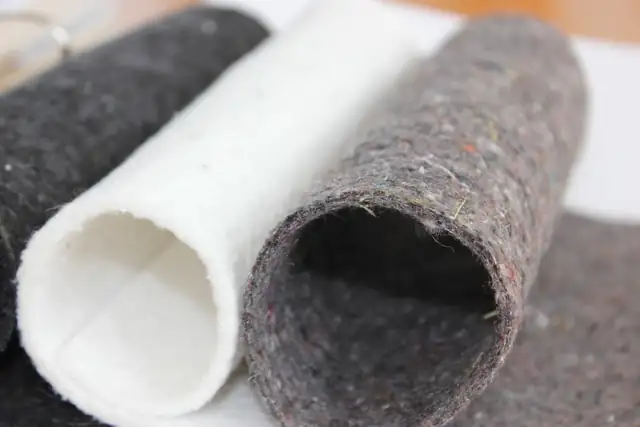
Technical and thermal bonded felt
Technical, furniture and thermal bonded felt from the manufacturer: 400–800 g/m², 2 m wide, starting from one roll.
Learn more
Felt directly from the manufacturer
Technical, furniture and thermal bonded felt rolls for factories and individual buyers. From one roll, in stock or made to order, with delivery across Ukraine and to EU countries.
Katerfel manufactures needle-punched thermal bonded felt in Kalush, Ukraine. We produce technical and furniture felt at 400–800 g/m² and a standard roll width of 2 m, available from stock or made to order.
We supply furniture factories, mattress manufacturers, businesses and individual customers. The minimum order is one roll. Custom cutting, non-standard basis weights and delivery to EU countries are available.
Leave your contact details. A Katerfel manager will reply within one business day, confirm availability and prepare a quote. Minimum order: one roll.
Technical, furniture and thermal bonded felt from the manufacturer: 400–800 g/m², 2 m wide, starting from one roll.
Learn more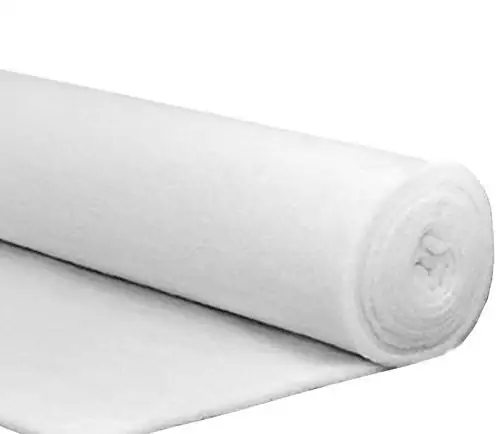
High-quality synthetic material, noted for its filling and insulating properties.
Learn more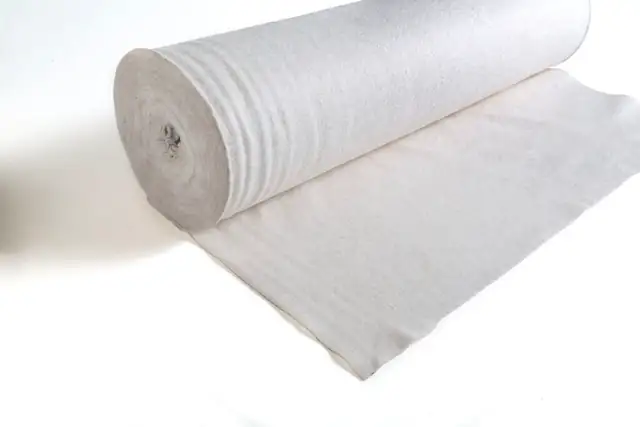
High-quality nonwoven material, noted for its strength and resistance to environmental impacts.
Learn moreKaterfel is a Ukrainian manufacturer of thermal bonded, technical and furniture felt. We supply furniture factories, mattress manufacturers, businesses and individual customers.
Needle-punched technical felt in rolls: 400–800 g/m², 2 m width, custom cutting and basis weight. From one roll, delivery to Ukraine and the EU.
Learn more: Technical feltThermal bonded felt for furniture and mattresses: 400–800 g/m², 2 m rolls, custom cutting and B2B delivery across Ukraine and to the EU.
Learn more: Thermal feltFurniture felt rolls for sofas, beds and upholstery production. From one roll, custom cutting, wholesale terms and delivery to the EU.
Learn more: Furniture feltThermal felt for mattresses: 2 m wide, 400–800 g/m², from one roll. Samples, custom cutting and recurring B2B supply.
Learn more: Mattress feltWholesale technical and furniture felt. Capacity 20–40 t/month, custom cutting, made-to-order parameters and export to the EU.
Learn more: Wholesale feltWe work with businesses and sole traders. Technical documents and paid samples are available on request. We reply within one business day.
The same material name does not always mean identical performance in production. Basis weight, thickness, stiffness, fibre composition, bonding method and the load carried by the finished product all affect the result. Selection should therefore start with the application: where the web sits, which layers touch it, how it will be cut and which properties must remain stable after assembly.
For an initial calculation, provide the intended use, required basis weight, width or cut-part dimensions, approximate consumption per item and monthly demand. If exact parameters are not yet available, send a description of the construction or the specification of the material currently in use. This gives production enough information to propose a sample or test-roll specification.
Before a serial purchase, test the material in the actual manufacturing process. The trial can cover cutting behaviour, dust generation, dimensional stability, compatibility with adhesives and adjacent layers, and performance under working load. This provides substantially better evidence than comparing materials only by trade name or price per kilogram.
The trial results can be used to refine basis weight, dimensions, packaging and tolerances. Agree and record these characteristics before the first production batch so repeat deliveries remain compatible with the customer’s process. For a new finished product, retaining an approved material sample also creates a practical reference for incoming inspection.
Calculate demand from web width, the cutting layout, expected process waste and planned output. A suitable width can reduce offcuts and the true cost of each part even when the price per kilogram remains unchanged. For repeat orders, agreeing a minimum buffer stock and dispatch frequency in advance makes production planning more predictable.
Packaging depends on material type, batch size and transport method. A useful enquiry includes the number of rolls or packages, approximate dimensions, delivery address and any cutting requirement. Katerfel arranges delivery across Ukraine, collection from Kalush and, subject to agreed terms and documentation, export shipments to European Union countries.
Price depends on material, basis weight, width, cutting, order volume, purchase frequency and delivery route. Include these variables in one enquiry to receive a calculation that can be compared fairly. Katerfel prepares the relevant accompanying documents for business customers and supplies available technical documentation on request.
Once the input data is received, the manager confirms stock availability, the possible production lead time and payment terms. For a non-standard web, final parameters and timing are confirmed after production reviews the specification. This sequence reduces the risk of having to substitute material after a finished product has entered serial production.
On receipt, check the labels, number of packages, packaging condition and conformity with the agreed specification. For roll goods, it is useful to check width, basis weight and appearance at several positions rather than only at the beginning of the web. Recording the results together with the batch number creates a practical internal inspection history.
Where the material serves a critical function, agree the inspected characteristics and test method before ordering. A sample from the first approved batch can be retained as a reference. If a deviation is found, photographs of the label, packaging and affected area help identify the shipment and investigate the issue efficiently.
Store rolls indoors in a dry area protected from precipitation, contamination and direct contact with the floor. Allow the material to adapt to workshop conditions before processing. Remove packaging without damaging the web edge and load the roll squarely onto the cutting or feeding equipment.
Storage affects both appearance and cutting accuracy. A designated roll area, clear identification of remnants and first-in-first-out stock rotation simplify control. Before returning a part-used roll to production, inspect its edge and geometry and make sure it has not acquired contamination during storage.
For a repeat order, reference the approved specification and provide the current quantity and required warehouse date. Report changes to the finished-product construction, equipment, adhesive or cutting layout before the new batch is started, since even a small process change may justify another production trial.
Plan purchasing around manufacturing lead time, transport and an appropriate safety stock. A rolling forecast helps check raw-material needs and reserve a suitable production window without replacing the final purchase confirmation. The binding quantity, price and dispatch date are recorded in the invoice or another document agreed with the customer.
We control felt parameters at our Kalush facility to maintain consistent quality across serial batches.
We supply from one roll, provide custom cutting and manufacture felt to an agreed non-standard basis weight.
Capacity of 20–40 tonnes per month, volume discounts, collection, delivery across Ukraine and export to the EU.